


PAO vs Conventional Base Oil: The Synthetic Superhero or Overhyped Lab Creation?
Why this “Honor Student” of Lubricants Isn’t Always the Perfect Fit
Polyalphaolefins (PAO) – the synthetic “honor student” of engine oils – replicates mineral oil’s golden molecular structure with lab-engineered precision. As the heavyweight champion of Synthetic Hydrocarbon (SHC) oils, PAO laughs at scorching engine temps and dances through sub-zero cold. But before crowning it king, remember: choosing oil is like picking running shoes – performance hinges on the right fit.
Why PAO Outshines Conventional Base Oils
PAO’s secret sauce lies in what’s missing:
Zero ring structures, double bonds, or sulfur/nitrogen compounds
No waxy hydrocarbons that clog engines
Viscosity index of 130+ (30% higher than Group III)
Arctic-grade fluidity at -40°C
22% lower volatility (reduces oil burn-off)
Innate oxidation resistance
These superhero traits make PAO ideal for:
Performance engines roasting at 150°C+
Siberian-grade winters (try our cold-optimized Antifreeze Coolant)
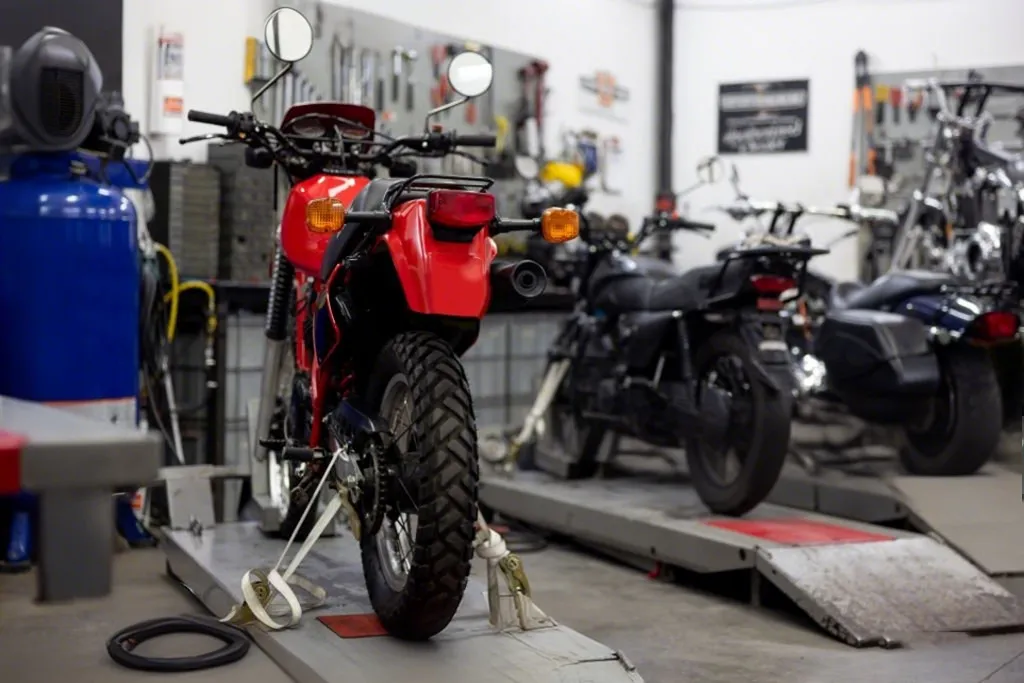
High-stress applications like Motorcycle Oils revving to 15,000 RPM
The PAO Paradox: 3 Deal-Breaking Weaknesses
Even superheroes have kryptonite:
1. Seal Shrinkage Syndrome
PAO’s non-polar molecules can harden rubber seals over time – a $2,000 engine rebuild waiting to happen.
2. Additive-Allergy
Like oil and water, PAO struggles to dissolve critical detergents and anti-wear additives. Fix? Blending with esters (at 15-30% cost premiums).
3. Eco-Unfriendly Reality
PAO’s 500-year biodegradation timeline clashes with modern ESG demands (unlike TERZO’s ECO-biodegradable line).

The "Fake Synthetic" Epidemic: Don’t Get Scammed!
As crude oil prices soar, suspiciously cheap “full synthetics” flood markets. Here’s how brands play semantic games:
| Marketing Term | Reality Check |
|---|---|
| "100% PAO" | Chemically impossible (needs ester blend) |
| "Super Synthetic" | Often <30% Group III base oil |
| "TechSyn" | Might be 90% conventional oil |
Red Flag Alert: TikTok influencers pushing “99% PAO” oils are either:
A) Lab-test liars, or
B) Selling engine-killing sludge

Certification Chess: Your Shield Against Fraud
Cut through marketing noise with OEM-approved verification:
1. API SP/SN+ (Gasoline) or CK-4 (Diesel)
Minimum baseline for wear protection
2. ILSAC GF-6A/6B
Mandatory for Japanese/American cars (20% better fuel economy)
3. ACEA C6
Euro 6’s strict 0.8% sulfated ash limit
Critical Note: “Meets OEM standards” ≠ “Certified”. Demand proof like BMW LL-04 or VW 508/509 approvals for authentic protection like TERZO Transmission Fluids.

The Bottom Line
PAO beats conventional oils in extreme heat/cold, but its real-world performance depends on:
Smart ester blending
OEM certifications (not marketing poetry)
Transparency in base oil composition
Don’t gamble your engine’s life on TikTok science. Partner with TERZO for:
Free oil analysis reports
Certification documentation
Custom-formulated PAO solutions
Verify Your Oil’s Authenticity Now | Become a TERZO Distributor