


Why ASEAN Matters in the Global Motorcycle Oil Marke
The Motorcycle Oil Demand Trends in ASEAN Countries are closely tied to everyday mobility. Across Indonesia, Vietnam, Thailand, the Philippines, and Malaysia, motorcycles are economic tools—used for commuting, logistics, food deliverydan rural transport. For Dealers/Distributors; Gas stations/Quick repair shops/Auto repair chains dan Vehicle fleets so on.
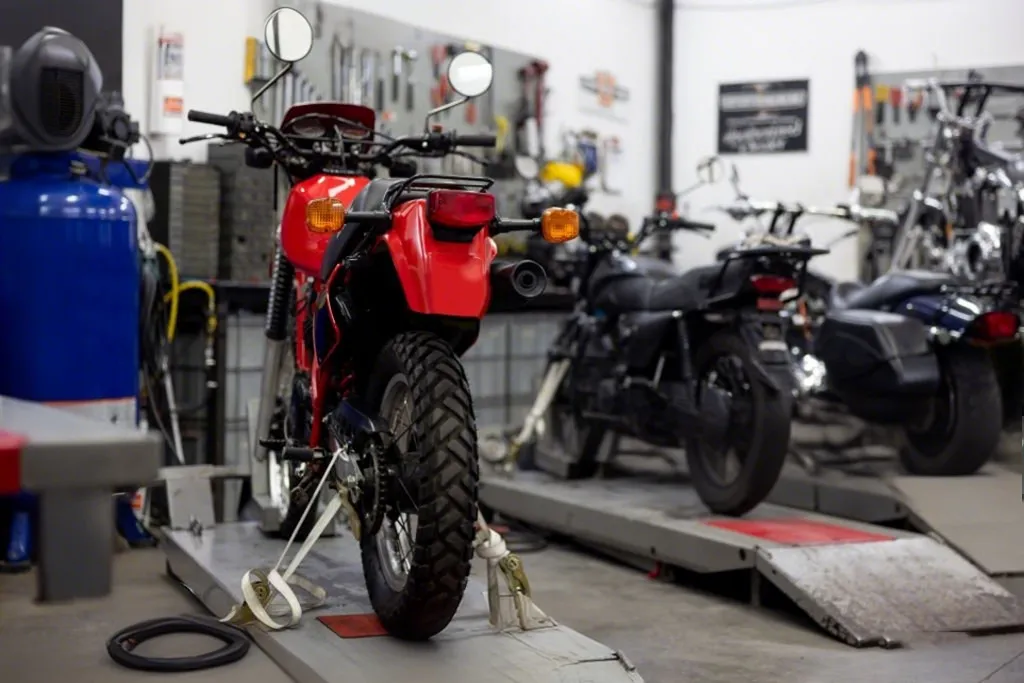
Originally founded as a political bloc of five countries in Asia Tenggara, a typical product on-demand in the region is the 2-wheeler, used as primary individual mobility device chosen for the economicity, easy mobility within the highly congested metropolis, low maintenance, low consumption and finally, low emissions. Unlike mature automotive markets, ASEAN motorcycle owners value reliability, heat resistancedan engine cleanliness over extended drain intervals. This makes motorcycle engine oil one of the most stable lubricant segments in Southeast Asia.
1. Core Demand Drivers Behind Motorcycle Oil Consumption in ASEAN
Motorcycle oil demand in ASEAN is structural, motorcycle ownership density remains among the highest globally. In the first half 2025 regional sales have been 7.3 million (+2.4%) dan all countries growing, apart Myanmar (-52.3%) and Indonesia. Second, motorcycles operate under high thermal stress due to traffic congestion, tropical climates, and frequent stop-and-go riding. Third, delivery platforms and ride-hailing services have increased average mileage per vehicle. From a lubricant perspective, this results in shorter oil change intervals and consistent demand for 4-stroke motorcycle oil with strong detergency and shear stability.
External authority link:
ASEAN 2025. Motorcycles Industry Growth Trend is Confirmed in First Half

2. Viscosity Preferences: Why 10W-40 Dominates the ASEAN Market
10W-40 motorcycle oil remains the most widely used viscosity across ASEAN. In hot climates, engines spend most of their operating life above optimal temperature. Thicker high-temperature viscosity helps maintain oil film strength, especially in air-cooled and older engines that dominate rural and semi-urban areas. At the same time, 10W cold flow is sufficient for ASEAN’s temperature range, making lighter winter grades unnecessary. So stocking 10W-40 simplifies inventory while meeting the needs of both commuter bikes and light commercial motorcycles.
3. Mineral vs Synthetic: A Market Still in Transition
Despite global trends toward full synthetics, much of ASEAN remains a blended or semi-synthetic market. Cost sensitivity is real, but so is growing awareness of engine protection. Urban riders and fleet operators increasingly choose synthetic or semi-synthetic motorcycle oils for better oxidation resistance and cleaner engines. In contrast, rural and price-driven segments still rely on mineral oils with shorter drain intervals. For distributors, the opportunity lies in tiered product portfolios, not forcing premium positioning across all channels.
4. Regulatory and Specification Awareness Is Gradually Rising
Historically, API classifications were not a purchasing priority in many ASEAN markets. Motorcycle manufacturers now increasingly recommend API SL, SM, or SN grades, and workshops are more aware of clutch compatibility requirements such as JASO MA / MA2. While regulation enforcement varies by country, specification awareness is rising, particularly in Thailand and Malaysia. Brands that communicate specifications clearly—and explain why they matter—earn trust faster than those relying on slogans.

5. Distribution Reality: Workshops Still Decide the Brand
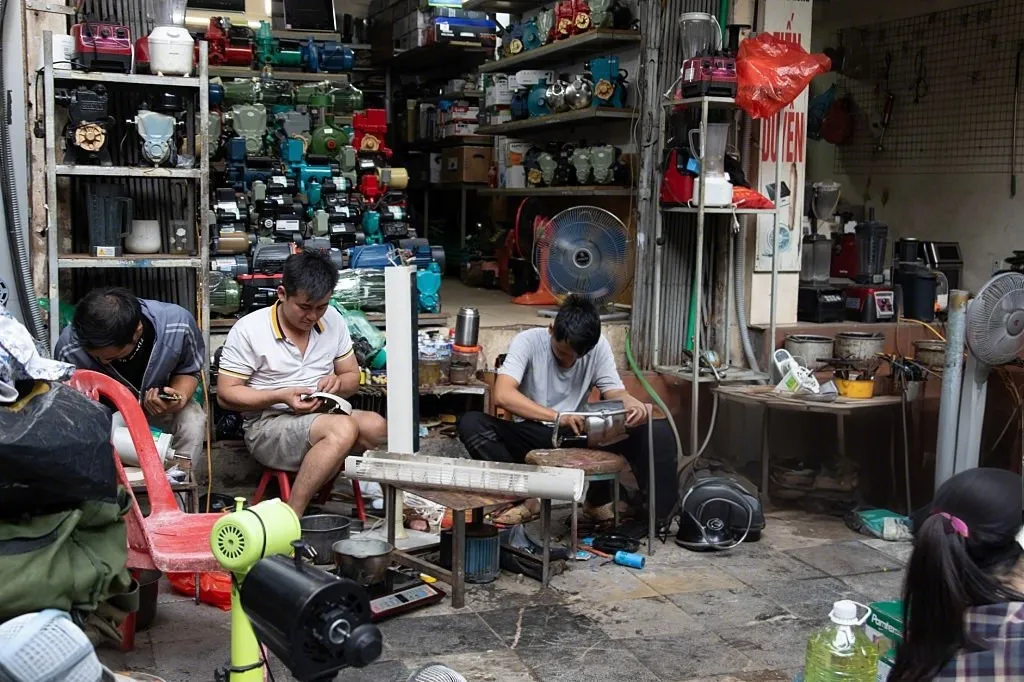
In ASEAN, motorcycle oil purchasing decisions are often made at the workshop level, not by end riders. Mechanics influence viscosity choice, oil change intervals, and brand switching. This makes technical education, consistent supply, and clear labeling more important than consumer advertising. B2B buyers looking to enter or expand in ASEAN must think beyond packaging and focus on workshop-friendly products and support materials.

6. Where the Market Is Headed
Looking ahead, the Tren Permintaan Oli Sepeda Motor di Negara-negara ASEAN point toward gradual premiumization, not disruption. Electric motorcycles will grow, but internal combustion motorcycles will remain dominant for years due to infrastructure constraints and affordability.
- Continued dominance of 10W-40 and 20W-50 grades
- Slow but steady growth of synthetic motorcycle oils
- Higher expectations for cleanliness and clutch performance
- Strong opportunities for reliable, technically transparent brands
For lubricant suppliers, ASEAN remains a market where engineering fundamentals still matter more than marketing narratives.


Tanggapan 2
A really good blog and me back again.
每天都在战争,希望2026和平.