

Perché le tecnologie dei veicoli a energia nuova sono importanti ora
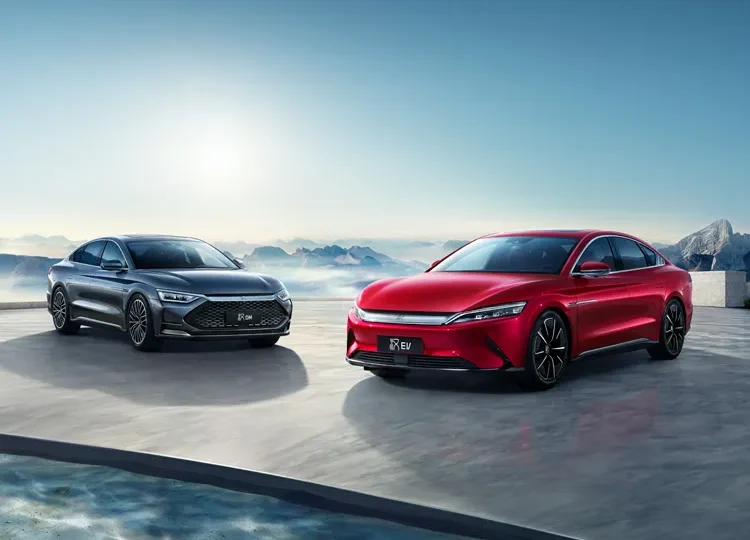
La conversazione intorno a Tecnologie per veicoli a nuova energia non è più teorica. Quando BYD e Aramco hanno annunciato congiuntamente la loro collaborazione sui sistemi NEV di prossima generazione, il messaggio è stato chiaro: il futuro campo di battaglia automobilistico non è più la potenza dei cavalli, ma l'architettura energetica, l'efficienza, la durata della batteria e la gestione del calore.
Dalla rapida espansione dell'ecosistema NEV cinese alle nuove normative europee e all'Inflation Reduction Act (IRA) statunitense, gli OEM e i partner della catena di fornitura stanno ripensando il funzionamento dell'intero veicolo. TERZO partecipa a questo cambiamento dal punto di vista di Fluidi EV, gestione termica e le esigenze emergenti di post-vendita per le flotte di NEV.
Cosa definisce le moderne tecnologie dei veicoli a nuova energia?
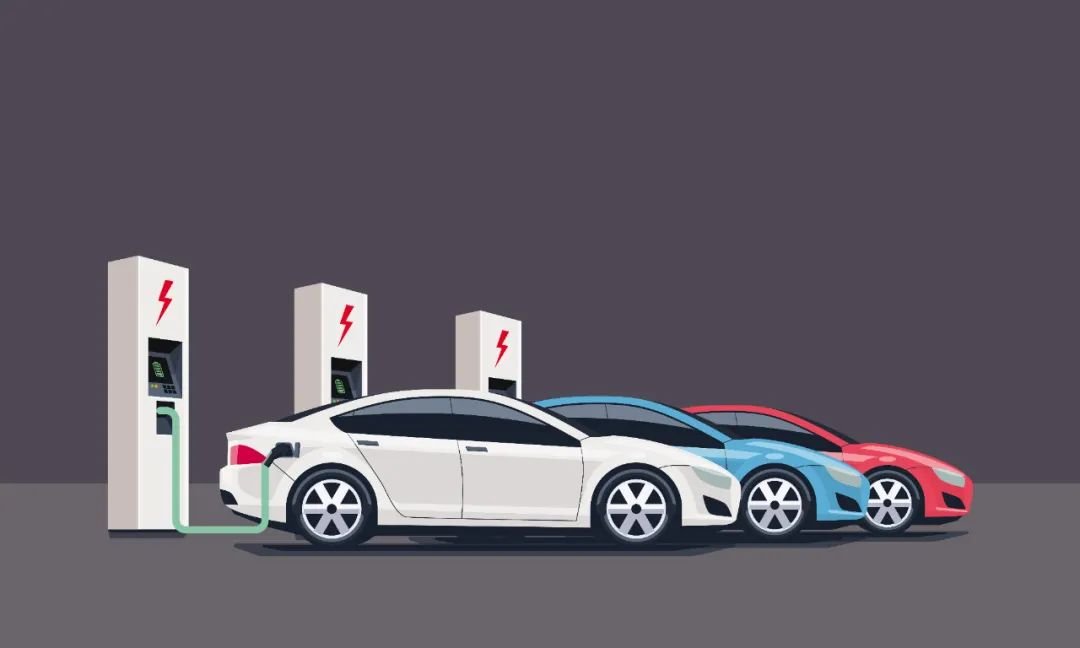
Il termine Tecnologie per veicoli a nuova energia non comprende solo le "auto elettriche". Copre un'intera famiglia di tecnologie di propulsione progettate per ridurre le emissioni e migliorare l'efficienza di guida. Nei mercati globali, la definizione comprende generalmente
BEV (veicolo elettrico a batteria)
PHEV (veicolo elettrico ibrido plug-in)
HEV (veicolo elettrico ibrido)
EREV (veicolo elettrico ad autonomia estesa)
Veicolo elettrico a celle a combustibile (FCEV)
Ogni tipo di tecnologia richiede requisiti diversi per la gestione termica, la protezione della batteria, il raffreddamento del motore, l'olio del riduttore e persino la scelta del liquido dei freni. Per questi rivolto alle flotte, ai concessionari OEM e alle officine indipendenti-Le differenze contano più che mai.
Lo slancio del mercato globale alla base dell'adozione dei NEV
- Cina: Il più grande ecosistema NEV al mondo, con BYD, NIO, XPENG e altri che formano un cluster completo di filiera. La penetrazione dei NEV ha superato 30% nel 2024, con la crescita più rapida di BEV ed EREV.
- Europa: Spinta dall'Euro 7, dagli obiettivi di riduzione delle emissioni di CO₂ e dall'aumento dei prezzi dei carburanti. Le vendite di PHEV rimangono forti a causa delle lacune infrastrutturali nell'Europa orientale e meridionale.
- Nord America: La crescita è costante ma con infrastrutture limitate. Gli incentivi dell'IRA spingono fortemente PHEV e EREV per i consumatori sensibili ai costi.
- Medio Oriente, Africa, Sud America: L'adozione dei NEV è in fase iniziale, ma la domanda di stabilità ibrida e di riduzione dei consumi di carburante fa sì che la domanda di NEV sia più elevata. HEV e EREV particolarmente attraente.
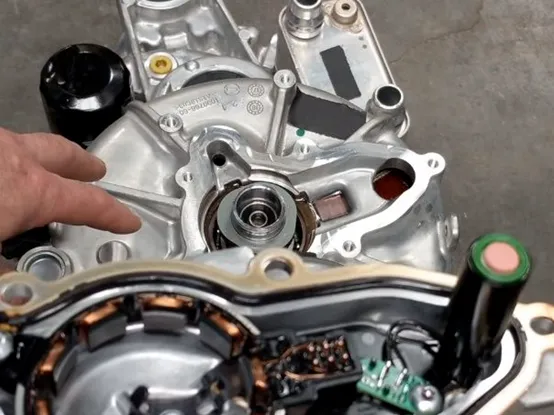
Tutte le regioni condividono una tendenza: Le tecnologie NEV stanno ridisegnando la domanda di lubrificanti e fluidi termici - anche se i volumi del tradizionale "olio motore" diminuiscono.
Le principali tecnologie dei veicoli a energia nuova spiegate
BEV - Veicoli elettrici a batteria
I BEV si basano interamente su pacchi batterie e motori elettrici. Niente serbatoio, niente olio motore, niente candele, eppure la complessità del sistema è più alto a causa di:
- Sistema di gestione termica della batteria (BTMS)
- Raffreddamento del motore e dell'inverter
- Lubrificazione del riduttore
- Prevenzione della fuga termica
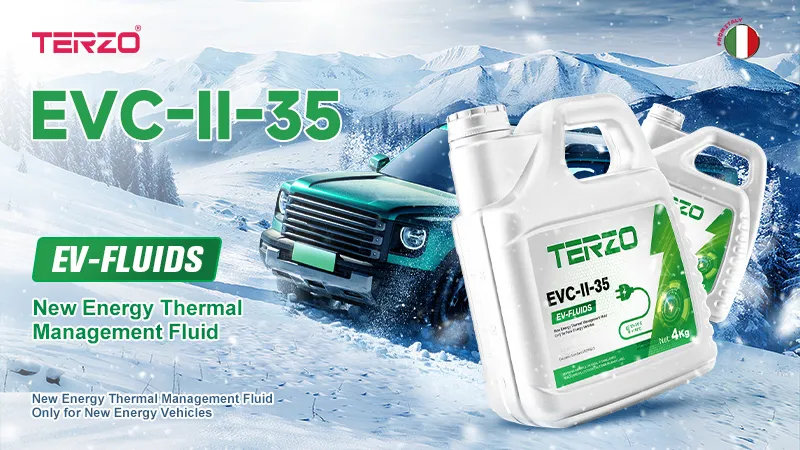
Le flotte di BEV richiedono una lunga durata e una stabilità all'ossidazione. Fluido per la gestione termica degli EVche mantengono la stabilità della viscosità e della conduttività per 800-1200 cicli di carica.
PHEV - Veicoli elettrici ibridi plug-in
I PHEV funzionano sia con l'elettricità che con il carburante, rendendo la lubrificazione e il raffreddamento molto più complicati. Le esperienze dei loro motori:
- Avviamenti frequenti a freddo
- Cicli termici brevi
- Elevata diluizione del carburante
Per questo motivo gli OEM giapponesi e coreani spesso specificano Oli ibridi 0W20e perché TERZO formula inibitori di ossidazione specifici per gli ibridi. I PHEV richiedono non solo un liquido di raffreddamento EV ma anche oli per motori a bassa viscosità e alta stabilità al taglio-Una categoria redditizia per i distributori.
HEV - Veicoli elettrici ibridi
Gli HEV non si collegano. La loro piccola batteria si affida alla frenata rigenerativa, che comporta un carico maggiore:
- Il motore (frequenza di ciclo elevata)
- L'e-motor (stress da calore)
- Il riduttore
Anche in questo caso, dominano gli oli a bassa viscosità e ad alta stabilità termica, soprattutto nel sud-est asiatico e in America Latina.
EREV - Veicoli elettrici ad autonomia estesa
Gli EREV utilizzano un motore a benzina solo come generatore. Il vantaggio?
- Il motore funziona sempre al regime ottimale
- Il consumo di carburante si stabilizza
- Il carico termico diventa prevedibile
- La durata della batteria aumenta
Questa architettura, resa popolare da BYD e Li Auto-è in rapida espansione a livello globale. Gli EREV consumano pochissimo olio per motori, ma la domanda di olio avanzato è in aumento. fluidi per il controllo termico delle batterie a causa della maggiore dipendenza dalla guida elettrica.
Tabella comparativa - Quattro tecnologie NEV
Tipo di NEV |
Fonte di energia |
Principali lubrificanti/fluidi necessari |
Forza del mercato |
Sfide tipiche |
|---|---|---|---|---|
BEV
|
Batteria + motore
|
Fluido termico EV, olio per riduttori
|
Mercati a emissioni zero
|
Calore della batteria, stress da alta velocità C
|
PHEV
|
Batteria + Motore
| |||
HEV
|
Ibrido rigenerativo
|
Olio motore a bassa viscosità + liquido di raffreddamento
|
MARE, LATAM
|
Elevata ciclicità del motore
|
EREV
|
Motore + Generatore
|
Refrigerante EV + olio motore a giri stabili
|
Cina, MEA
|
Carico termico del motore, longevità della batteria
|