
Quando se trata de segurança veicular, fluido de freio pode não ser a primeira coisa em sua mente - mas deveria ser. A escolha entre DOT4 vs DOT5.1 pode significar a diferença entre uma potência de parada confiável e uma possível falha do freio, especialmente em condições exigentes.
Para os engenheiros de OEM, gerentes de frota e distribuidores automotivos, entender essas especificações não é apenas conhecimento técnico - é fundamental para garantir o desempenho do veículo e a segurança do cliente.
O que torna o fluido de freio tão importante?
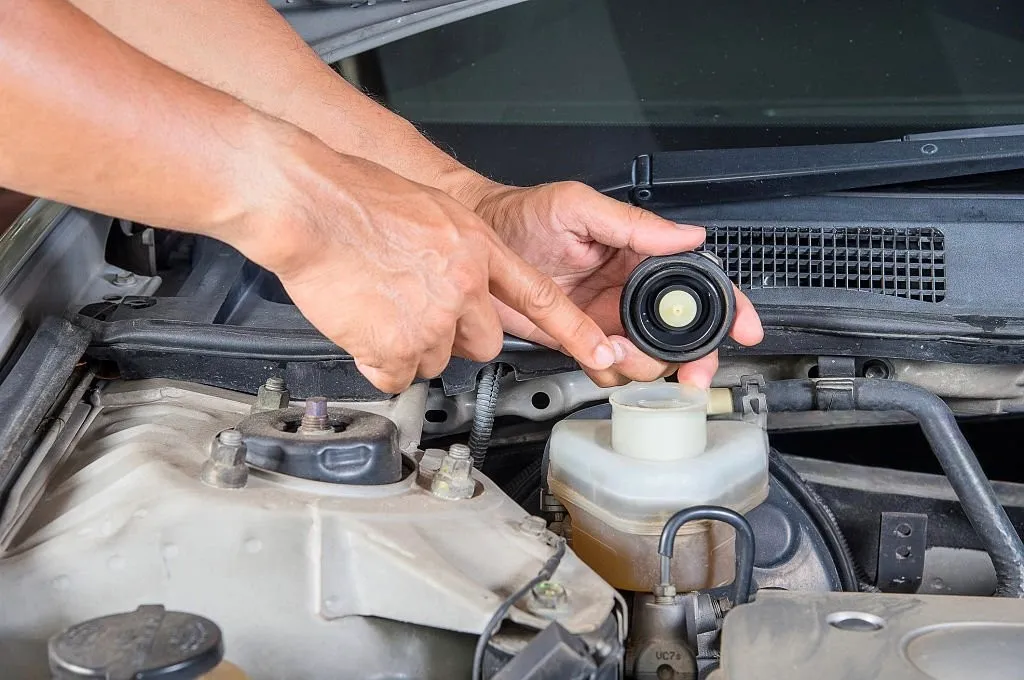
Fluido de freio serve como o meio hidráulico que transfere a força do pedal do freio para as pinças de freio. Diferentemente do óleo do motor ou do líquido de arrefecimento, ele opera sob extrema pressão e variações de temperatura, o que torna sua estabilidade química absolutamente essencial.
O Departamento de Transportes (DOT) O sistema de classificação existe por um motivo: fluidos diferentes lidam com o calor de forma diferente. Ao adquirir fluido de freio para linhas de produção, redes de distribuição ou operações de frota, o Classificação DOT afeta diretamente a responsabilidade, as reivindicações de garantia e a reputação da marca.
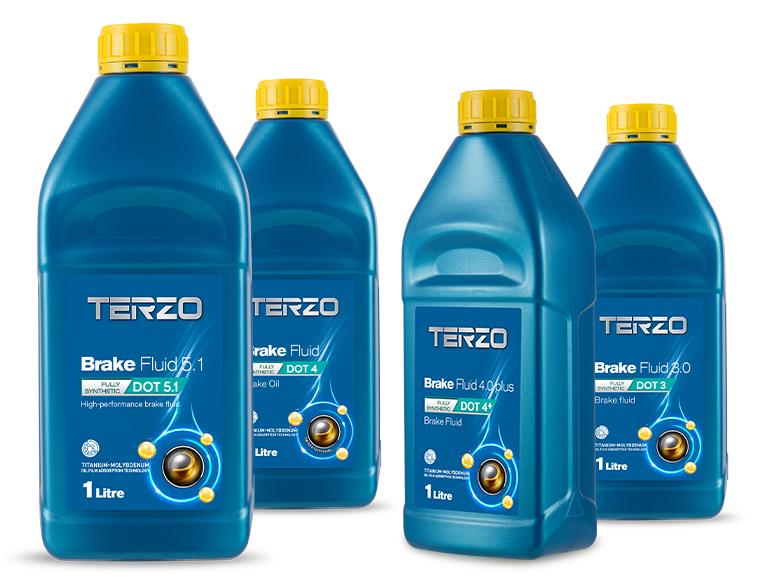
DOT4 vs DOT5.1: As principais diferenças
Desempenho do ponto de ebulição A diferença mais significativa entre os fluidos de freio DOT4 e DOT5.1 está em seus pontos de ebulição:
Fluido de freio DOT4 normalmente apresenta um ponto de ebulição seco de 230°C (446°F) e um ponto de ebulição úmido de 155°C (311°F). Isso o torna adequado para veículos de passeio padrão e aplicações comerciais leves em condições normais de operação.
Fluido de freio DOT5.1No entanto, o óleo de cozinha da marca Kraft, da marca Kraft, eleva o nível significativamente com um ponto de ebulição seco de 260 °C (500 °F) e um ponto de ebulição úmido de 180 °C (356 °F). Essa vantagem de 30 graus no ponto de ebulição seco e de 25 graus no ponto de ebulição úmido não é apenas um número - ela representa uma margem de segurança substancial.
Para os compradores B2B, essa diferença se traduz diretamente na adequação da aplicação. Veículos que operam em regiões montanhosas, aplicações de alto desempenho ou uso comercial pesado se beneficiam de forma mensurável de Resistência superior ao calor do DOT5.1.

Composição química e natureza higroscópica
Ambos DOT4 e DOT5.1 são fluidos à base de glicol, o que significa que são higroscópicos - absorvem a umidade da atmosfera com o tempo. Na verdade, isso é intencional, pois evita que a água se acumule no sistema de freio, onde poderia causar corrosão localizada ou vaporização repentina.
No entanto, Fluido de freio DOT5.1 normalmente incorpora pacotes de aditivos avançados que proporcionam melhores inibidores de corrosão e intervalos de manutenção mais longos. Para os compradores a granel que gerenciam grandes frotas ou estoques de distribuição, isso significa uma frequência de manutenção reduzida e uma melhor relação custo-benefício durante o ciclo de vida do produto.
Vale a pena observar que DOT5 (sem o ".1") é à base de silicone e NÃO é compatível com os sistemas DOT3, DOT4 ou DOT5.1 - um ponto comum de confusão que pode levar a erros dispendiosos na aquisição.
É possível misturar DOT4 e DOT5.1?
Aqui estão as boas notícias para gerentes de frota e centros de serviços: O DOT5.1 é compatível com os sistemas DOT4. A química da base de glicol-éter significa que você pode usar com segurança DOT5.1 em veículos originalmente especificados para DOT4.
No entanto, a mistura não é recomendada para um desempenho ideal. Ao renovar o fluido de freio, a substituição completa do sistema garante características de desempenho consistentes e maximiza os benefícios do fluido de maior especificação.
Para Fabricantes OEMEssa compatibilidade proporciona flexibilidade à cadeia de suprimentos. Uma única Especificação DOT5.1 pode abranger várias plataformas de veículos sem exigir SKUs separados para diferentes graus de fluido de freio.
Quando escolher o DOT5.1 em vez do DOT4
Aplicações de alto desempenho
Veículos de desempenho, aplicativos de corridae caminhões comerciais para serviços pesados geram significativamente mais calor de frenagem. O ponto de ebulição mais alto do DOT5.1 evita o bloqueio de vapor - uma condição perigosa em que o fluido de freio ferve, criando bolhas de gás que comprimem em vez de transmitir a pressão hidráulica.
Para distribuidores automotivos atendendo a mercados de desempenho ou operações de frotas comerciais, estocando DOT5.1 abre oportunidades em segmentos premium onde o padrão DOT4 simplesmente não atende às demandas operacionais.
Operações em clima quente
Está operando em regiões como o Oriente Médio, o Sudeste Asiático ou o Sul da Europa? As temperaturas ambientes que excedem rotineiramente 40°C (104°F) aceleram a degradação do fluido de freio. Limite de ponto de ebulição mais alto do DOT5.1 fornece margens de segurança essenciais nesses mercados.
Distribuidores regionais e importadores que atendem territórios de clima quente devem considerar fortemente DOT5.1 como sua oferta padrão em vez de opção premium.
Intervalos de serviço estendidos
Embora ambos os fluidos absorvam umidade em taxas semelhantes, Ponto de ebulição úmido superior do DOT5.1 significa que o fluido permanece em condições de manutenção por mais tempo à medida que envelhece. Para operações de frota em que a minimização do tempo de inatividade é importante, isso se traduz em menor frequência de manutenção e menor custo total de propriedade.

Melhores práticas para gerenciamento e seleção do fluido de freio
Diretrizes de inspeção e substituição
Manutenção do fluido de freio não deve esperar que os problemas apareçam. Os padrões do setor recomendam inspeção visual a cada 12 meses, teste de ponto de ebulição usando refratômetro ou tiras de teste, e substituição completa do fluido a cada 24-36 meses. A substituição imediata será necessária se o teor de umidade exceder 3,5%. Para gerentes de frota e distribuidoresAlém disso, o armazenamento adequado em ambientes climatizados com rotação FIFO e treinamento da equipe sobre prevenção de contaminação protege a integridade do produto.
Em regiões de clima quente (Oriente Médio, zonas tropicais, áreas desérticas), o DOT5.1 não é opcional - é necessário. Temperaturas ambientes acima de 35°C criar condições para que Ponto de ebulição mais baixo do DOT4 torna-se um risco à segurança. Para distribuidores e importadores nesses mercados, posicionar o DOT5.1 como padrão, em vez de premium, alinha-se às condições operacionais locais.

O DOT4 vs DOT5.1 A decisão depende dos requisitos da aplicação e das condições operacionais. O DOT4 é adequado para veículos de passeio padrão em climas moderados, onde o custo é importante. O DOT5.1 torna-se estratégico para aplicativos de alto desempenho, climas quentes, intervalos de manutenção estendidosou posicionamento de mercado premium. Para as decisões de aquisição, a diferença de custo marginal se mostra insignificante em comparação com as margens de segurança aprimoradas e a redução dos pedidos de garantia.
Parceria com desempenho comprovado
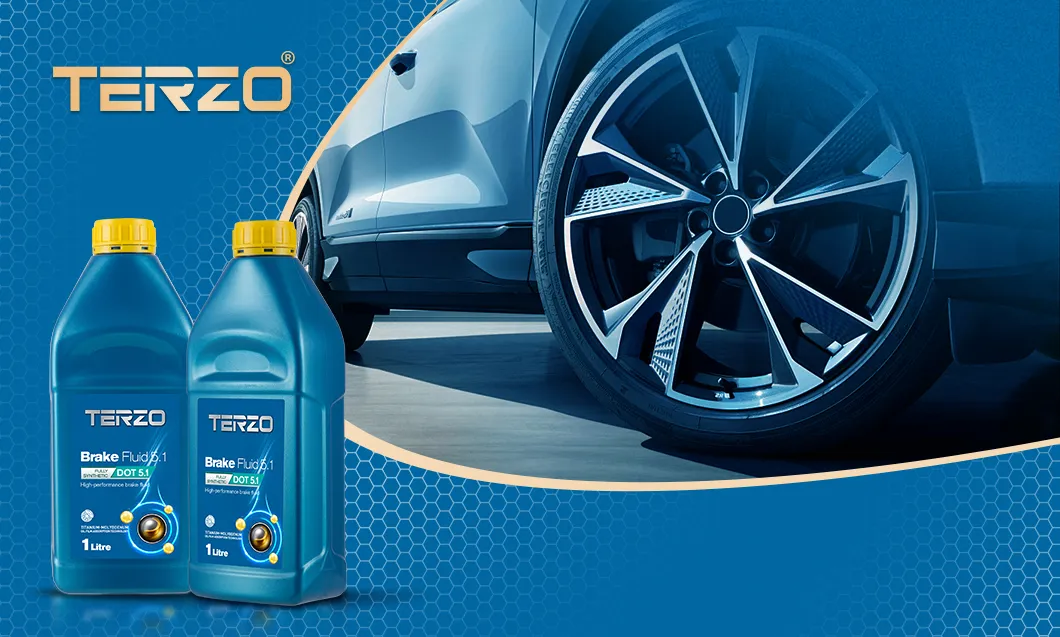
O fluido de freio TERZO fornece a garantia de qualidade, suporte técnico e confiabilidade da cadeia de suprimentos que as operações B2B exigem. Se você é um Fabricante OEM que exigem conformidade consistente com as especificações, um distribuidor regional que está construindo presença no mercado ou um operador de frota que está otimizando os protocolos de manutenção, TERZO oferece soluções de nível profissional.
Contato nossa equipe técnica para discutir requisitos de especificação, preços em grandes quantidades ou oportunidades de rotulagem privada para o seu mercado.