
When it comes to vehicle safety, dầu phanh might not be the first thing on your mind—but it should be. The choice between DOT4 vs DOT5.1 can mean the difference between reliable stopping power and potential brake failure, especially under demanding conditions.
For OEM engineers, fleet managers, and automotive distributors, understanding these specifications isn’t just technical knowledge—it’s critical for ensuring vehicle performance and customer safety.
What Makes Brake Fluid So Critical?
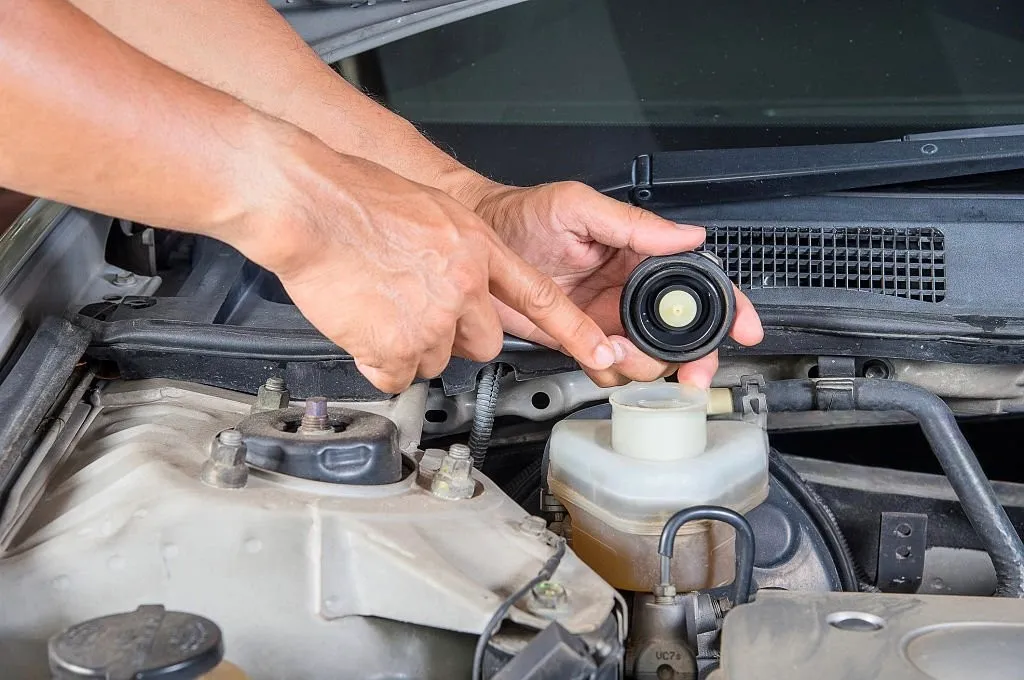
Brake fluid serves as the hydraulic medium that transfers force from your brake pedal to the brake calipers. Unlike engine oil or coolant, it operates under extreme pressure and temperature variations, making its chemical stability absolutely essential.
Cái Department of Transportation (DOT) classification system exists for a reason: different fluids handle heat differently. When you’re sourcing brake fluid for manufacturing lines, distribution networks, or fleet operations, the DOT rating directly impacts liability, warranty claims, and brand reputation.
DOT4 vs DOT5.1: The Core Differences
Boiling Point Performance The most significant difference between DOT4 and DOT5.1 brake fluid lies in their boiling points:
DOT4 brake fluid typically features a dry boiling point of 230°C (446°F) and a wet boiling point of 155°C (311°F). This makes it suitable for standard passenger vehicles and light commercial applications under normal operating conditions.
DOT5.1 brake fluid, however, raises the bar significantly with a dry boiling point of 260°C (500°F) and a wet boiling point of 180°C (356°F). This 30-degree advantage in dry boiling point and 25-degree advantage in wet boiling point isn’t just numbers—it represents a substantial safety margin.
For B2B buyers, this difference translates directly to application suitability. Vehicles operating in mountainous regions, high-performance applications, or heavy-duty commercial use benefit measurably from DOT5.1’s superior heat resistance.

Chemical Composition and Hygroscopic Nature
Both DOT4 và DOT5.1 are glycol-based fluids, which means they’re hygroscopic—they absorb moisture from the atmosphere over time. This is actually by design, as it prevents water from pooling in the brake system where it could cause localized corrosion or sudden vaporization.
However, DOT5.1 brake fluid typically incorporates advanced additive packages that provide better corrosion inhibitors and longer service intervals. For bulk purchasers managing large fleets or distribution inventories, this means reduced maintenance frequency and improved cost-efficiency over the product lifecycle.
It’s worth noting that DOT5 (without the “.1”) is silicone-based and NOT compatible with DOT3, DOT4, or DOT5.1 systems—a common point of confusion that can lead to costly mistakes in procurement.
Can You Mix DOT4 and DOT5.1?
Here’s the good news for fleet managers và service centers: DOT5.1 is backward compatible with DOT4 systems. The glycol-ether base chemistry means you can safely use DOT5.1 in vehicles originally specified for DOT4.
However, mixing is not recommended for optimal performance. When refreshing brake fluid, complete system replacement ensures consistent performance characteristics and maximizes the benefits of the higher-spec fluid.
For OEM manufacturers, this compatibility provides supply chain flexibility. A single DOT5.1 specification can cover multiple vehicle platforms without requiring separate SKUs for different brake fluid grades.
When to Choose DOT5.1 Over DOT4
High-Performance Applications
Performance vehicles, racing applications, và heavy-duty commercial trucks generate significantly more brake heat. The higher boiling point of DOT5.1 prevents vapor lock—a dangerous condition where brake fluid boils, creating gas bubbles that compress rather than transmit hydraulic pressure.
For automotive distributors serving performance markets or commercial fleet operations, stocking DOT5.1 opens opportunities in premium segments where standard DOT4 simply doesn’t meet operational demands.
Hot Climate Operations
Operating in regions like the Middle East, Southeast Asia, or Southern Europe? Ambient temperatures routinely exceeding 40°C (104°F) accelerate brake fluid degradation. DOT5.1’s higher boiling point threshold provides essential safety margins in these markets.
Regional distributors và importers serving hot-climate territories should strongly consider DOT5.1 as their standard offering rather than premium option.
Extended Service Intervals
While both fluids absorb moisture at similar rates, DOT5.1’s superior wet boiling point means the fluid remains serviceable longer as it ages. For fleet operations where minimizing downtime matters, this translates to reduced maintenance frequency and lower total cost of ownership.

Best Practices for Brake Fluid Management and Selection
Inspection and Replacement Guidelines
Brake fluid maintenance shouldn’t wait for problems to appear. Industry standards recommend visual inspection every 12 months, boiling point testing using refractometer or test strips, and complete fluid replacement every 24-36 months. Immediate replacement becomes necessary if moisture content exceeds 3.5%. For fleet managers và distributors, proper storage in climate-controlled environments with FIFO rotation and staff training on contamination prevention protects product integrity.
In hot climate regions (Middle East, tropical zones, desert areas), DOT5.1 isn’t optional—it’s necessary. Ambient temperatures above 35°C create conditions where DOT4’s lower boiling point becomes a safety liability. For distributors and importers in these markets, positioning DOT5.1 as standard rather than premium aligns with local operating conditions.

Cái DOT4 vs DOT5.1 decision depends on application requirements and operating conditions. DOT4 suits standard passenger vehicles in moderate climates where cost matters. DOT5.1 becomes strategic for high-performance applications, hot climates, extended service intervals, or premium market positioning. For procurement decisions, the marginal cost difference proves negligible compared to enhanced safety margins and reduced warranty claims.
Partner with Proven Performance
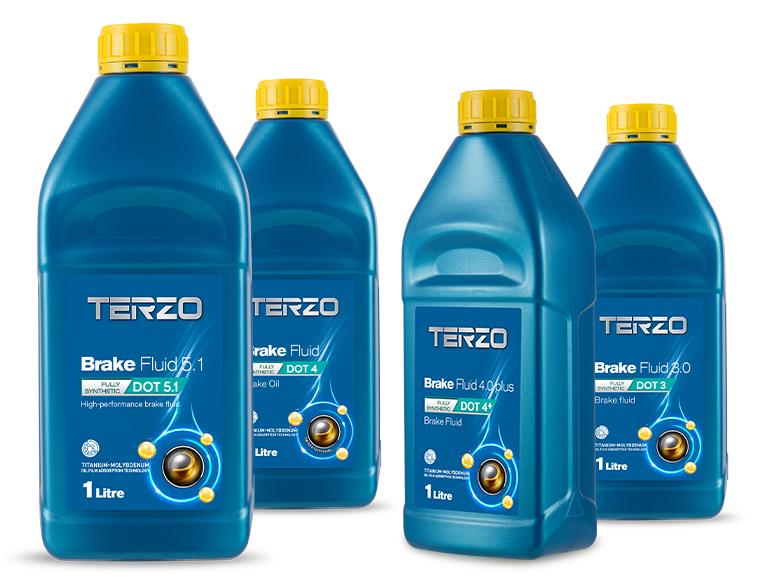
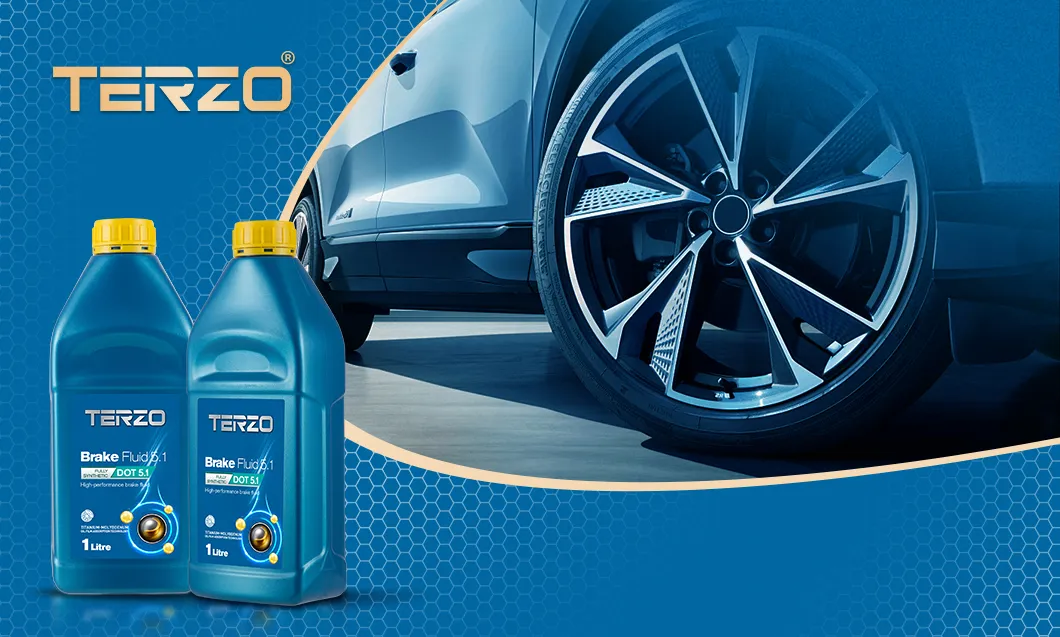
TERZO brake fluid provides the quality assurance, technical support, and supply chain reliability that B2B operations demand. Whether you’re an OEM manufacturer requiring consistent specification compliance, a regional distributor building market presence, or a fleet operator optimizing maintenance protocols, TERZO delivers professional-grade solutions.
Contact our technical team to discuss specification requirements, bulk pricing, or private labeling opportunities for your market.