terzo-from-Italy

新能源汽車技術 - 核心系統、熱管理和市場影響

New Energy Vehicle Technologies — Core Systems, Thermal Management and Market Impact

Why New Energy Vehicle Technologies Matter Now

The conversation around New Energy Vehicle Technologies is no longer theoretical. When BYD and Aramco jointly announced their collaboration on next-generation NEV systems, the message was clear: the future automotive battlefield is no longer horsepower—it is energy architecture, efficiency, battery life, and heat management.

From China’s rapidly expanding NEV ecosystem to Europe’s new regulations and the U.S. Inflation Reduction Act (IRA), OEMs and supply-chain partners are rethinking how the entire vehicle functions. TERZO participates in this shift from the perspective of EV 液體, thermal management expertise, and emerging aftersales needs for NEV fleets.

Why New Energy Vehicle Technologies Matter Now

What Defines Modern New Energy Vehicle Technologies?

The term New Energy Vehicle Technologies includes more than “electric cars.” It covers an entire family of propulsion technologies designed to reduce emissions while improving driving efficiency. In global markets, the definition generally includes

  • BEV (Battery Electric Vehicle)

  • PHEV (Plug-in Hybrid Electric Vehicle)

  • HEV (Hybrid Electric Vehicle)

  • EREV (Extended-Range Electric Vehicle)

  • Fuel Cell Electric Vehicle (FCEV)

Each technology type drives different requirements in thermal management, battery protection, motor cooling, reduction-gear oil, and even brake fluid selection. For those targeting fleets, OEM dealers, and independent workshops—the differences matter more than ever.

Global Market Momentum Behind NEV Adoption

  • China: The world’s largest NEV ecosystem, with BYD, NIO, XPENG and others forming a full supply-chain cluster. NEV penetration surpassed 30% in 2024, with BEV and EREV growing fastest.
  • Europe: Driven by Euro 7, CO₂ targets, and rising fuel prices. PHEV sales remain strong due to infrastructure gaps in Eastern Europe and Southern Europe.
  • North America: Growth is steady but infrastructure-limited. IRA incentives heavily push PHEV and EREV for cost-sensitive consumers.
  • Middle East, Africa, South America: NEV uptake is earlier-stage, but demand for hybrid stability and reduced fuel consumption makes HEVs and EREVs especially attractive.
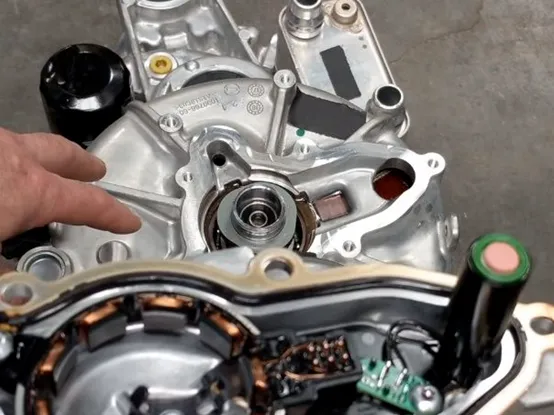
Electric drive motors for new energy vehicles
用於新能源汽車的電動驅動馬達

All regions share one trend: NEV technologies are reshaping lubricant and thermal-fluid demand — even though traditional “engine oil” volumes decline.


Core New Energy Vehicle Technologies Explained

BEV — Battery Electric Vehicles

BEVs rely entirely on battery packs and electric motors. No fuel tank, no engine oil, no spark plugs—yet the system complexity is higher due to:

  • Battery thermal management system (BTMS)
  • Motor & inverter cooling
  • Reduction gear lubrication
  • Thermal runaway prevention

BEV fleets demand long-life, oxidation-stable EV thermal management fluid, which maintain viscosity and conductivity stability under 800–1200 charge cycles.

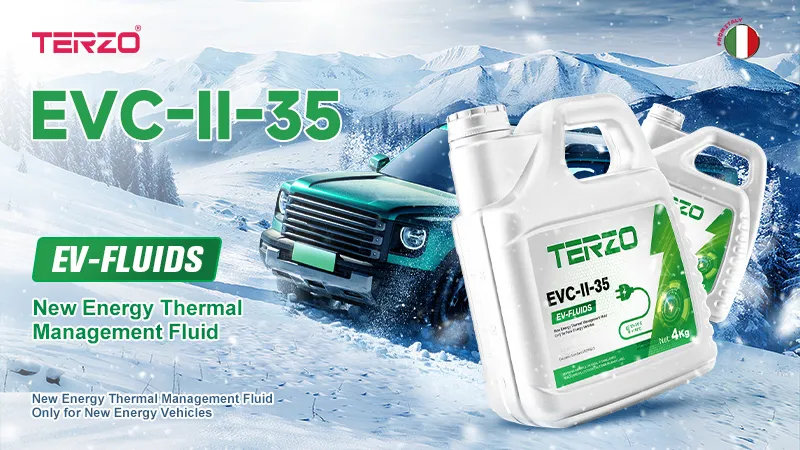
TERZO Thermal Management in Electric Vehicles

PHEV — Plug-in Hybrid Electric Vehicles

PHEVs run on both electricity and fuel, making lubrication and cooling far more complicated. Their engine experiences:

  • Frequent cold starts
  • Short thermal cycles
  • High fuel dilution

This is why Japanese and Korean OEMs often specify 0W20 hybrid oils, and why TERZO formulates hybrid-specific oxidation inhibitors. PHEVs require not only EV coolant but low-viscosity high-shear-stability engine oils—a profitable category for distributors.

HEV — Hybrid Electric Vehicles

HEVs do not plug in. Their small battery relies on regenerative braking, placing more load on:

  • The engine (high cycle frequency)
  • The e-motor (heat stress)
  • The reduction gear

Again, low-viscosity, high-heat-stability oils dominate, especially in Southeast Asia and LATAM.

EREV — Extended-Range Electric Vehicles

EREVs use a petrol engine purely as a generator. The benefit?

  • The engine always works at optimal RPM
  • Fuel consumption stabilizes
  • Thermal load becomes predictable
  • Battery life increases

This architecture—popularized by BYD and Li Auto—is rapidly expanding globally. EREVs consume very little engine oil, but demand advanced battery thermal control fluids due to heavier reliance on electric driving.

Comparative Table — Four NEV Technologies

NEV Type
Energy Source
Key Lubricants / Fluids Needed
Market Strength
Typical Challenges
BEV
Battery + Motor
EV thermal fluid, reduction-gear oil
Zero-emission markets
Battery heat, high C-rate stress
PHEV
Battery + Engine
HEV
Regenerative hybrid
Low-viscosity engine oil + coolant
SEA, LATAM
High engine cycling
EREV
Motor + Generator
EV coolant + stable-RPM engine oil
China, MEA
Motor heat load, battery longevity

使用 TERZO 開啟新商機

低門檻、易上手 - 只需一個紙箱即可開始,無需高昂的 MOQ 或資本負擔。

強大的行銷支援 - TERZO 以符合成本效益的推廣方式協助您快速成長。

專業的品牌形象 - 獲得完整的設計與媒體支援,讓您脫穎而出。

高利潤、低風險 - 專注於銷售;100 箱解鎖區域獨家。

發佈留言

發佈留言必須填寫的電子郵件地址不會公開。 必填欄位標示為 *

資訊安全與保密

立即訂閱,獲得獨家 TERZO 潤滑油報價 + 免費專家諮詢!

別急著離開訂閱我們的服務,享受免費專業諮詢。

聯絡 TERZO,我們將盡快回應您的需求。